
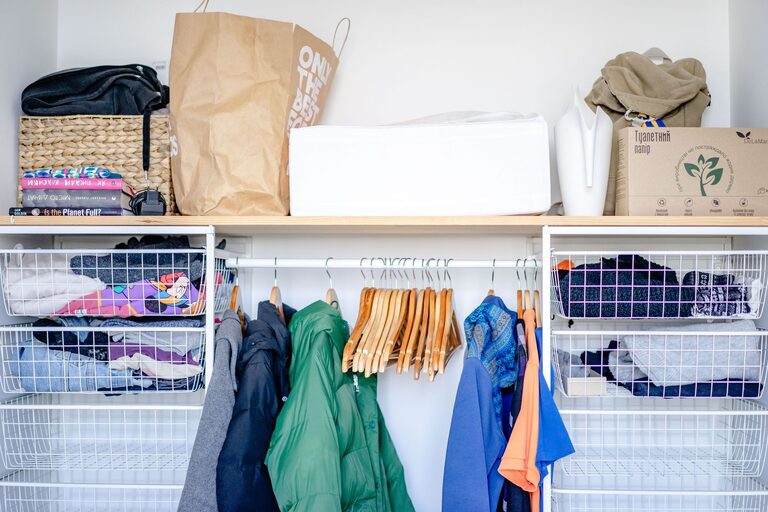
Storing seasonal clothes can be a challenge, especially when space is limited. Proper storage not only saves room but also helps keep your garments in good condition for the months ahead. Whether you’re packing away winter coats or summer dresses, efficient storage techniques can make the process easier and more effective. In this post, we’ll explore strategies to help you store seasonal clothes neatly, protect them from damage, and find them easily when the season changes.
Why Efficient Seasonal Clothing Storage Matters
Storing clothes correctly during off-seasons preserves their quality and extends their lifespan. Clothes left in the wrong conditions can develop wrinkles, fade, or even attract pests like moths. Efficient storage also frees up closet space and reduces clutter, making daily dressing easier and more enjoyable.
Step 1: Sort and Declutter Before Storing
Before storing, take some time to sort through your clothes.
– Assess Condition: Check each item for stains, damage, or wear. Clean and repair before storing.
– Decide What to Keep: Consider donating or selling items you no longer wear.
– Group by Season: Separate clothes into categories like winter, summer, spring, and fall.
Sorting helps reduce the amount you need to store and streamlines organization.
Step 2: Clean Clothes Thoroughly
Always clean clothes before putting them into storage.
– Wash or dry clean: Dirt, oils, and stains can attract pests and cause fabric damage.
– Completely dry items: Moisture can lead to mold and mildew.
– Iron or steam if needed: This prevents deep wrinkles.
Clean clothes ensure they stay fresh and ready to wear later.
Step 3: Choose the Right Storage Containers
The containers you use make a big difference.
– Plastic bins with tight lids: These keep out dust, moisture, and pests. Look for breathable options or use small silica gel packets inside to control humidity.
– Vacuum storage bags: Great for saving space but avoid using them for delicate fabrics as compression can damage fibers.
– Garment bags: Use breathable fabric garment bags for hanging items like coats or suits.
– Storage boxes: Acid-free boxes are ideal for delicate or sentimental items.
Avoid cardboard boxes as they can attract pests and absorb moisture.
Step 4: Use Proper Storage Techniques
How you place clothes in storage affects their condition.
– Fold heavier items like sweaters: Avoid hanging as it can stretch fabric.
– Hang coats and dresses on padded hangers: This maintains shape.
– Layer items with acid-free tissue paper: Helps prevent creases and fabric damage.
– Keep shoes in dust bags or boxes: Store separately from clothes.
– Label containers: Clearly mark what’s inside each bin or box for easy retrieval.
Step 5: Optimize Storage Space
Maximizing your storage space helps keep your home neat.
– Use under-bed storage containers: Ideal for out-of-sight storage.
– Install shelves or cubbies in closets: Keeps bins organized and accessible.
– Vacuum bags for bulky items: Compress blankets or bulky coats to save space.
– Rotate storage: Place the current season’s clothes at the front, with the off-season behind.
Step 6: Protect Clothes from Pests and Moisture
Preventing damage is key to long-term storage.
– Use natural repellents: Cedar blocks or lavender sachets deter moths and insects.
– Keep storage areas dry: Avoid damp basements or attics. Use a dehumidifier if necessary.
– Check periodically: Inspect stored clothes every few months for signs of damage or pests.
Step 7: Plan for Easy Access Next Season
Make your storage system user-friendly.
– Keep an inventory list: Note what items are stored and where.
– Store frequently used items on top or front.
– Group similar items: Shirts with shirts, pants with pants.
This saves time and reduces frustration when switching seasons.
Bonus Tips for Seasonal Clothing Storage
– Rotate garments seasonally: Keep your active wardrobe fresh and avoid overpacking closets.
– Avoid plastic dry-cleaner bags: They can trap moisture and cause yellowing.
– Make use of vertical space: Hanging organizers and hooks can expand storage options.
– Consider climate and storage environment: Adjust your approach if you live in a humid or cold area.
Conclusion
Efficiently storing seasonal clothes is all about preparation, choice of storage, and organization. Taking care of your wardrobe helps clothes last longer and keeps your home tidy. With these tips, you can confidently pack away off-season garments and enjoy a clutter-free closet all year round. Start sorting, cleaning, and organizing today to create a smooth seasonal clothing routine!